
Daily Chemical Bottles
Shampoo, detergent & personal care packaging from 100ml to 10L
Key Advantages
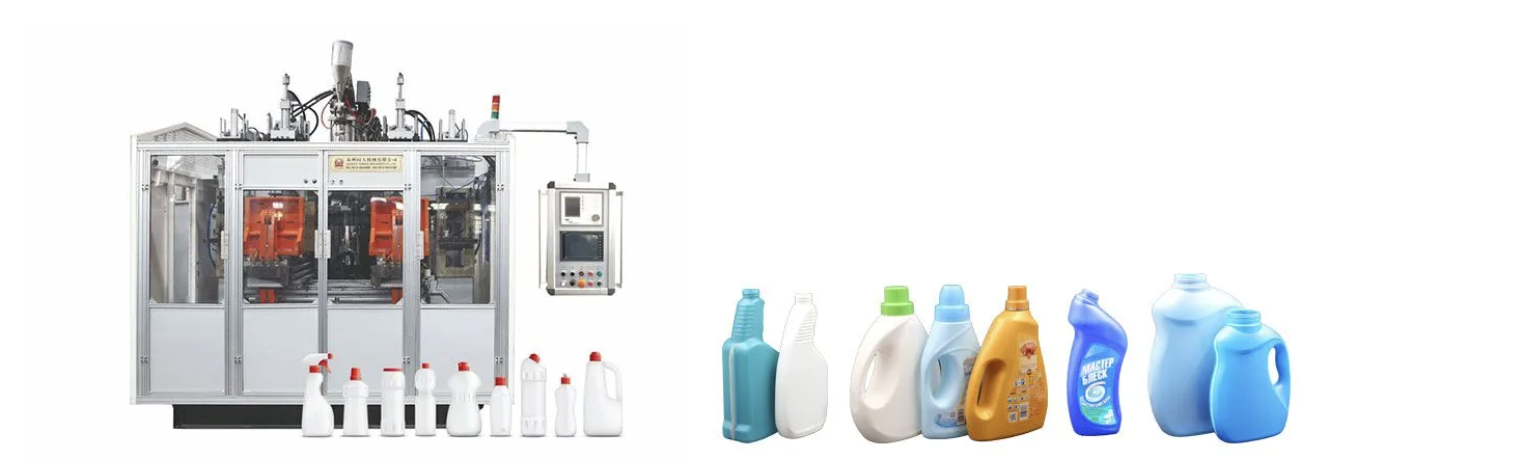
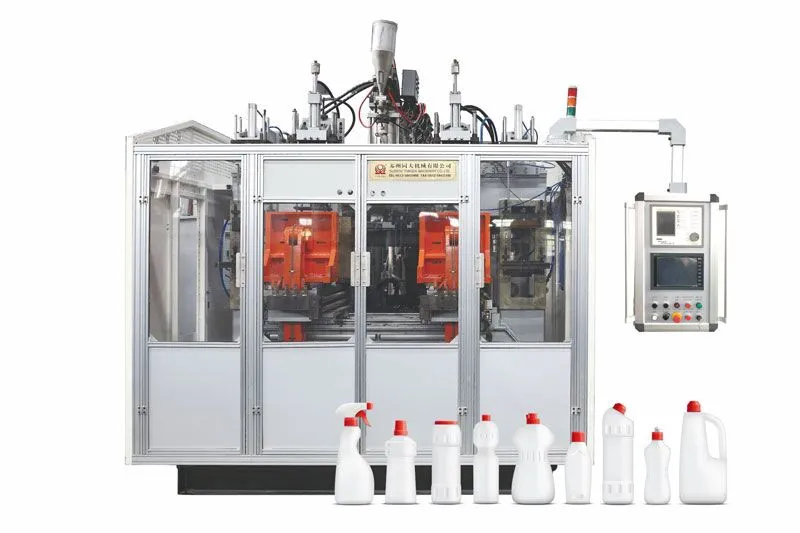
Daily Chemical Bottle Blow Molding Machine
Daily chemical bottles are the most common blow molded products in our lives. The market and consumption are very large, such as shampoo bottles, laundry detergent bottles, toilet cleaner bottles, disinfection water bottles and so on. The company has more than 20 years of experience in researching and developing 100ml-10L various daily chemical bottle machinery and fully automatic machinery. Welcome you consultation, we will give you the best solution.
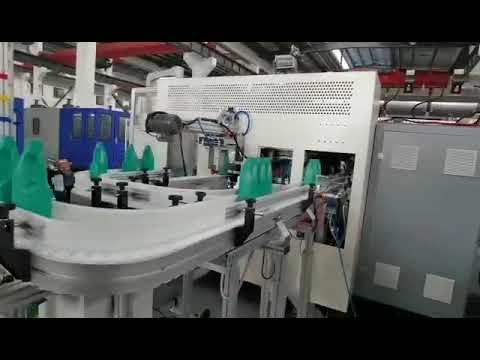
See It In Action
What Is Daily Chemistry Bottle?
In our daily life, there are some things that need to be put in bottles. Depending on the ingredients of the things, the bottles chosen are also different. There are various bottles on the market. Next, we will introduce the ingredients of daily chemical bottles. What are its main functions?
The main component of daily chemical bottles is plastic. Some daily chemical bottles are made of glass, but the number of such daily chemical bottles is very small. Most daily chemical bottles on the market are made of plastic. The most important component of plastic is polyvinyl chloride. When we use these daily chemical bottles, it is best to choose products produced by regular manufacturers. After use, we should also choose centralized processing methods to reduce environmental pollution. The main function of daily chemical bottles is to hold various things to make our lives more convenient. When we choose to buy daily chemical bottles, we should buy them according to our actual needs. We must choose daily chemical bottles with more scientific ingredients, which can reduce pollution to the environment. To protect the environment, start with me and start from small and save water.
Which Is Better? Glass Bottles Or Plastic Bottles?
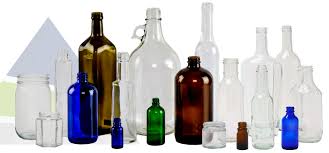
Glass bottles and plastic bottles are things we often use in our daily lives. The two types of bottles, glass bottles and plastic bottles, each have their own characteristics, advantages and differences. Glass bottles are made of silica sand and can be made into various shapes by melting the raw material through molds. Plastic bottles are mostly made of various polymer materials through blow molding processes, and there are thousands of types on the market.
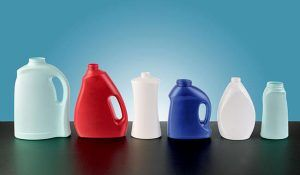
Production Process Flow Of Daily Chemical Bottles
The process of producing bottles mainly includes the following processes:
Raw material ingredients: According to the requirements of the bottle customer, the raw materials are mixed together in proportion and mixed.
Extrusion molding: Put the mixed raw materials into the extrusion machine, and extrude the raw materials into the die through high temperature and high pressure conditions. The extruded bottles also need to undergo stretching and other processes to obtain certain physical properties.
Cooling molding: The extruded bottle is cooled in a cooling mold to give it shape and stiffness.
Modification processing: The formed bottles are processed by drilling, spraying, printing and other processing methods to give the bottles different functions and appearances.

What Factors Need To Be Considered In The Design Of Daily Chemical Bottle Mold?
Mold material: The choice of mold material has a vital impact on the quality, production efficiency and cost of the bottle. Commonly used mold materials include steel, aluminum alloy, plastic, etc. When selecting materials, factors such as the product's usage environment, production cost, and production cycle need to be considered.
Mold structure: The structural design of the daily chemical bottle mold needs to consider factors such as the shape, size and weight of the bottle. At the same time, it is also necessary to consider the smoothness of the mold opening, closing, ejection and other actions to ensure that problems such as jamming and wear do not occur during the production process. Reasonable structural design can effectively improve production efficiency and reduce production costs.
Mold accuracy: Mold accuracy is a key factor in bottle quality. Mold accuracy requirements include dimensional accuracy, surface roughness, etc. High-precision molds can produce high-quality products and also improve production efficiency.
Mold durability: Since the production of daily chemical bottles is repeated for a long time, the durability of the mold is also particularly important. The durability of the mold depends on factors such as material quality, structural design, heat treatment process, etc. In order to ensure that the mold has a long service life, reasonable material selection and structural design are required, as well as appropriate heat treatment.
Production cost and efficiency: When designing daily chemical bottle molds, production cost and efficiency need to be considered. Reasonable structural design can effectively reduce production costs and improve production efficiency. At the same time, the manufacturing and maintenance costs of the mold also need to be taken into consideration to achieve cost control and maximize benefits.
In summary, the design of daily chemical bottle molds needs to consider many factors. Only by comprehensively considering these factors can a high-quality, high-efficiency, and low-cost laundry detergent bottle mold be designed.
What Are The Main Raw Materials For The Production Of Daily Chemical Bottles?
Main raw materials
The main raw material for producing bottles is plastic. Commonly used plastic materials include polyethylene (PE), polypropylene (PP), polycarbonate (PC), polystyrene (PS), etc. Among them, polyethylene is the most commonly used raw material because of its excellent physical properties, chemical stability and cost advantages.
Auxiliary materials
- Masterbatch: Masterbatch is the key material that gives the bottle its color. It allows bottles to appear in a variety of colors to meet the needs of different customers.
- Plasticizer: Plasticizer is a material that can change the physical properties of plastic such as softness, ductility, and toughness. It changes the hardness of the plastic, making the bottle softer.
- Stabilizer: Stabilizer can prevent plastics from deteriorating due to the influence of sunlight, heat, oxidation and other factors during production and use.
- Antistatic agent: Antistatic agent can prevent the generation of static electricity during the plastic process and avoid negative effects on the production process and bottle quality.
What Are The Common Sizes Of Daily Chemical Bottles?
PET bottles are currently the most commonly used plastic bottle category and are widely used in food, beverages, health products, daily chemical products and other fields.
| size | diameter | height | cap |
|---|---|---|---|
| 50ml | 31mm | 72mm | 20mm diameter cap |
| 100ml | 40mm | 95mm | 22mm diameter cap |
| 200ml | 49mm | 110mm | 24mm diameter cap |
| 500ml | 65mm | 165mm | 28mm diameter cap |
| 1000ml | 80mm | 240mm | 32mm diameter cap |
How To Choose A Daily Chemical Bottle Blow Molding Machine?
The bottle blowing machine is a piece of equipment widely used in the production of plastic bottles. It can heat and blow plastic particles into plastic bottles of various shapes. If you are considering purchasing a bottle blowing machine, here are some things you need to pay attention to.
Understand the types of bottle blowing machines: There are many different types of bottle blowing machines, including fully automatic bottle blowing machines and semi-automatic bottle blowing machines. When choosing a bottle blowing machine, you need to decide which type is best for your production based on your needs and budget.
Pay attention to the capacity and size: The capacity and size of the bottle blowing machine are also factors that need to be considered when purchasing. If you need to use the bottle blowing machine in large quantities, it is recommended to choose a machine with a larger capacity, which can improve production efficiency.
Confirm the ease of use: When purchasing a bottle blowing machine, pay attention to the ease of use of the machine. A good bottle blowing machine should have a simple and easy-to-understand operating interface for users to get started. At the same time, you should also consider whether the cleaning and maintenance of the machine are convenient, which can reduce the trouble of daily use.
Consider after-sales service and technical support: Choosing a bottle blowing machine that suits you can bring great convenience to your life. You need to know whether the supplier provides timely after-sales service and technical support so that any problems encountered during use can be solved promptly. Purchasing a bottle blowing machine is a decision that requires careful consideration. You need to understand the various types of bottle blowing machines and consider factors such as production capacity, equipment quality and performance, as well as after-sales service and technical support.
How To Improve The Production Efficiency Of Blow Molding Machines?
Blow molding raw materials: Improving materials is one of the most useful methods, which can further meet the functional and performance requirements of blow molding products, especially some special needs, such as the environmental protection and safety requirements of medicine, food packaging and other industries. The variety of blow molding grade raw materials is more rich and diverse, processing performance tends to be better, and various properties such as high temperature resistance, corrosion resistance, UV resistance, and wear resistance are available.
Mechanical equipment: Blow molding machinery and equipment are more precise, efficient, and intelligent. Technologies such as multi-head co-extrusion, multi-layer co-extrusion, multi-point wall thickness control, and high-temperature, high-strength molds are widely used.
Application of intelligent technology:
1. Abnormal detection and early warning: The intelligent bottle blowing machine is equipped with various sensors and monitoring systems, which can detect abnormal conditions in the production process in real time, such as excessive temperature, abnormal air pressure, etc. Once an abnormality is detected, the system will immediately issue an alarm and automatically shut down to avoid damage to equipment and product quality issues.
2. Remote monitoring and management: The intelligent bottle blowing machine is equipped with a remote monitoring system, which can realize remote monitoring and management of the equipment. Production personnel can monitor the operating status and production status of the bottle blowing machine anytime and anywhere through mobile phones or computers, handle abnormal situations in a timely manner, and improve production efficiency.
3. Application of manipulators: Manipulators are usually controlled by automated control systems and can realize automated operations through programming and sensor technologies. The control system can accurately control the movements of the robot to adapt to the production needs of bottles of different sizes and shapes. Automated and efficient production allows equipment to be produced faster, and time is strictly controlled to make it faster.
What Are The After-Sales Services Of Daily Chemical Bottle Blow Molding Machine?
- Installation and debugging services: Provide professional installation and debugging services to ensure that the equipment is installed correctly and put into production smoothly.
- Operation training: Provide training for operators to teach the correct operation methods and maintenance knowledge of the equipment to ensure the safe operation of the equipment.
- Regular maintenance: Provide regular maintenance services to check the operating status of the equipment and ensure that the equipment is in optimal working condition.
- Spare parts supply: Provide original or compatible spare parts supply services to ensure equipment maintenance needs.
- Remote technical support: Provide remote technical support services to help solve problems in equipment operation and maintenance.
- On-site service: Provide on-site repair services when needed to quickly resolve equipment malfunctions or issues.
- Upgrade and modification services: Provide equipment upgrade and modification services according to customer needs to update equipment technology and performance.
- Warranty period: Provide a certain period of warranty service to cover equipment failures or problems.
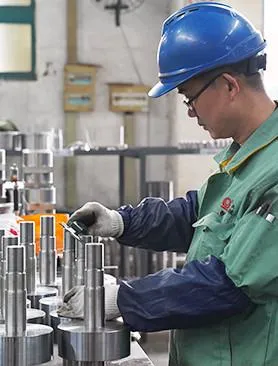
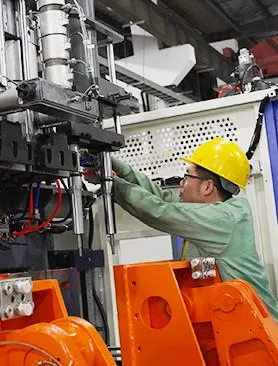
TONGDA Clients
Successfully supplied daily chemical bottle blow molding machine lines to many countries around the world
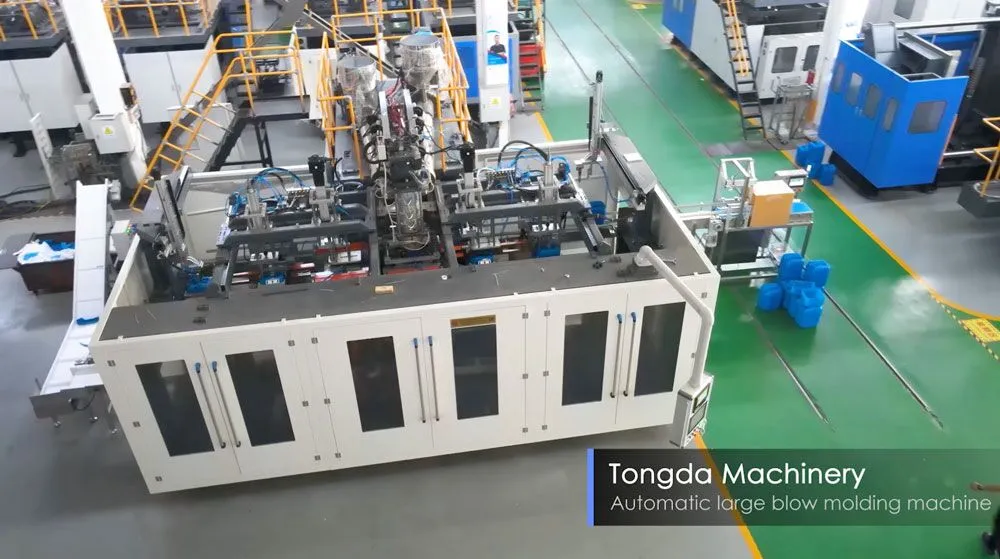
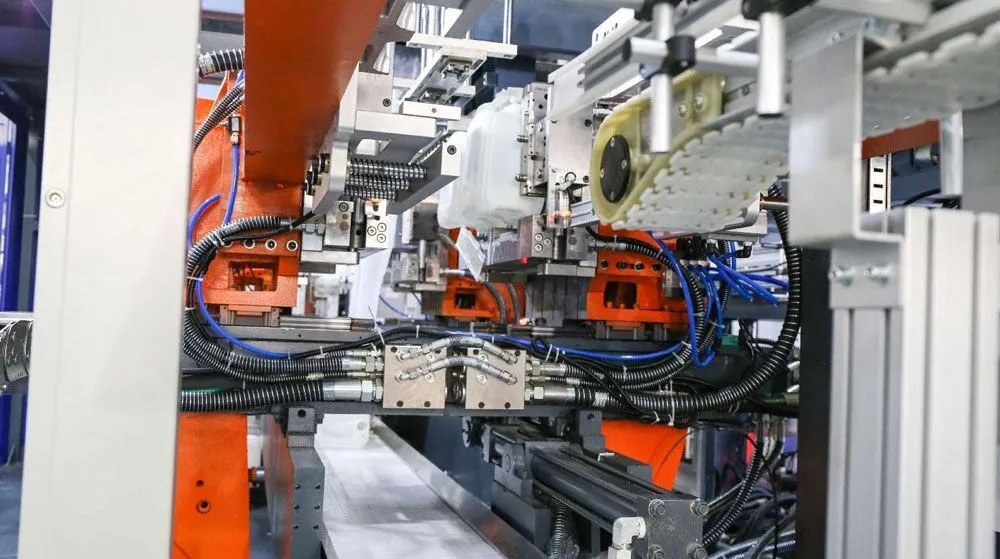
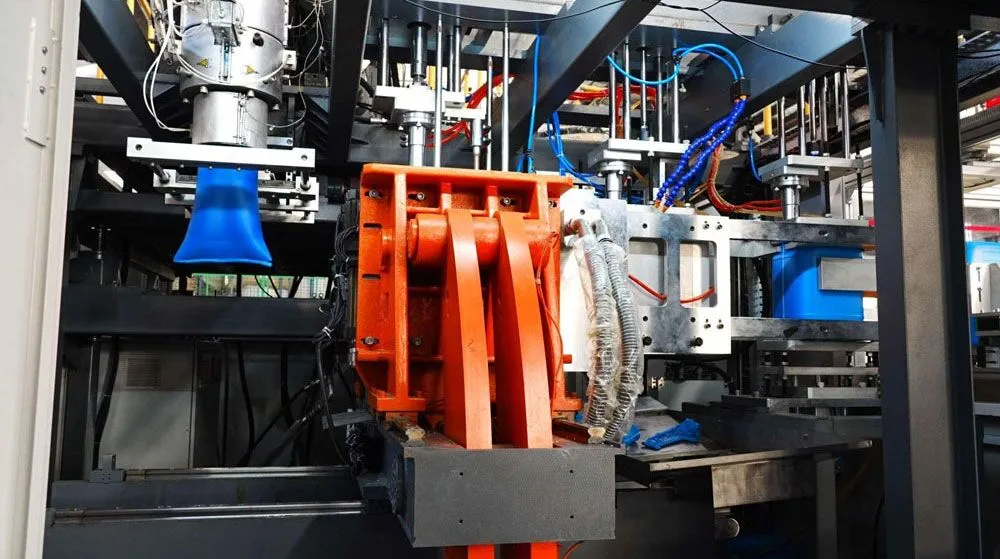
Daily Chemical Bottle Blow Molding Machine Models
| Model | Product Size | HDPE Output | Production Output | Action |
|---|---|---|---|---|
| HTSII-5L | 500ML-5L | 110kg/hr | 160-230pcs/hr for 5L | Get Quote |
| HTSII-12L | 5L-12L | 130kg/hr | 100-120pcs/hr for 10L | Get Quote |
| HSII-5L | 500ML-5L | 110kg/hr | 170-240pcs/hr for 5L | Get Quote |
| HSII-12L | 5L-12L | 180kg/hr | 110-130pcs/hr for 10L | Get Quote |
| HSEII-5L | 500ML-5L | 160kg/hr | 180-250pcs/hr for 5L | Get Quote |
| HSEII-12L | 5L-12L | 200kg/hr | 120-140pcs/hr for 10L | Get Quote |
Get Expert Advice
Our engineers will help you select the right machine for your daily chemical bottles production requirements.
REQUEST A QUOTESuitable Models
Other Applications
View All Applications →Quality Certifications
Ready to Start Production?
Get a customized machine recommendation and quote for your daily chemical bottles production line.
GET A FREE QUOTE